In the aftermath of a long drought, the Nduwayo family in northern Burundi found themselves with depleted farmland and no livestock to rebuild. Parents Jean and Clarisse, with their four children, had little left to rely on. Hopes for school fees, improved meals, or savings were distant dreams—until a local church connected them with Capra Solidarity Ministry.
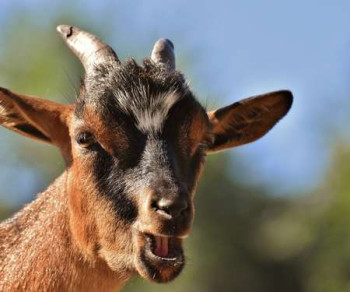
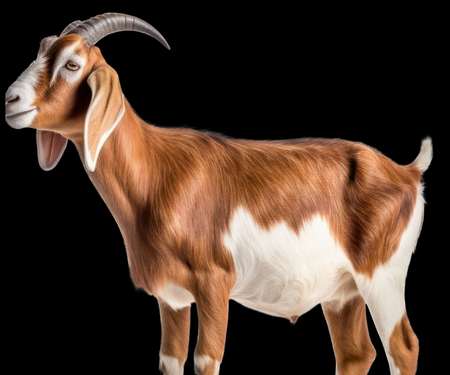
Receiving a goat changed everything. The children named her “Ineza,” meaning kindness. The family built a small pen behind their house and took turns caring for her. The goat quickly became part of their daily rhythm—feeding, cleaning, and learning how to recognize signs of pregnancy. Pastors from the ministry checked in regularly, offering advice and encouragement.
Six months later, Ineza gave birth to twin kids. With great joy, the Nduwayos honored the promise by returning one of the kids to the ministry, ready to help another family. They kept the other and soon had a small but growing herd. Clarisse began selling milk at the weekly market, and Jean started trading small goods using the money earned. Their children returned to school with shoes and supplies for the first time in years.
More than financial change, the family experienced emotional renewal. They no longer saw themselves as helpless but as contributors to something bigger. Jean said, “When we gave the first goat back, it was not a loss—it was a blessing for us to give what we once received.” Their story spread throughout the village and inspired others to join the program.
What began as a single goat became a symbol of possibility. The Nduwayo family’s journey reflects what Capra Solidarity Ministry hopes to multiply: restored dignity, sustainable progress, and a cycle of shared grace. This is more than charity—it’s community regeneration through simple, life-giving acts.